A Family’s Journey After a Congenital Heart Disease Diagnosis
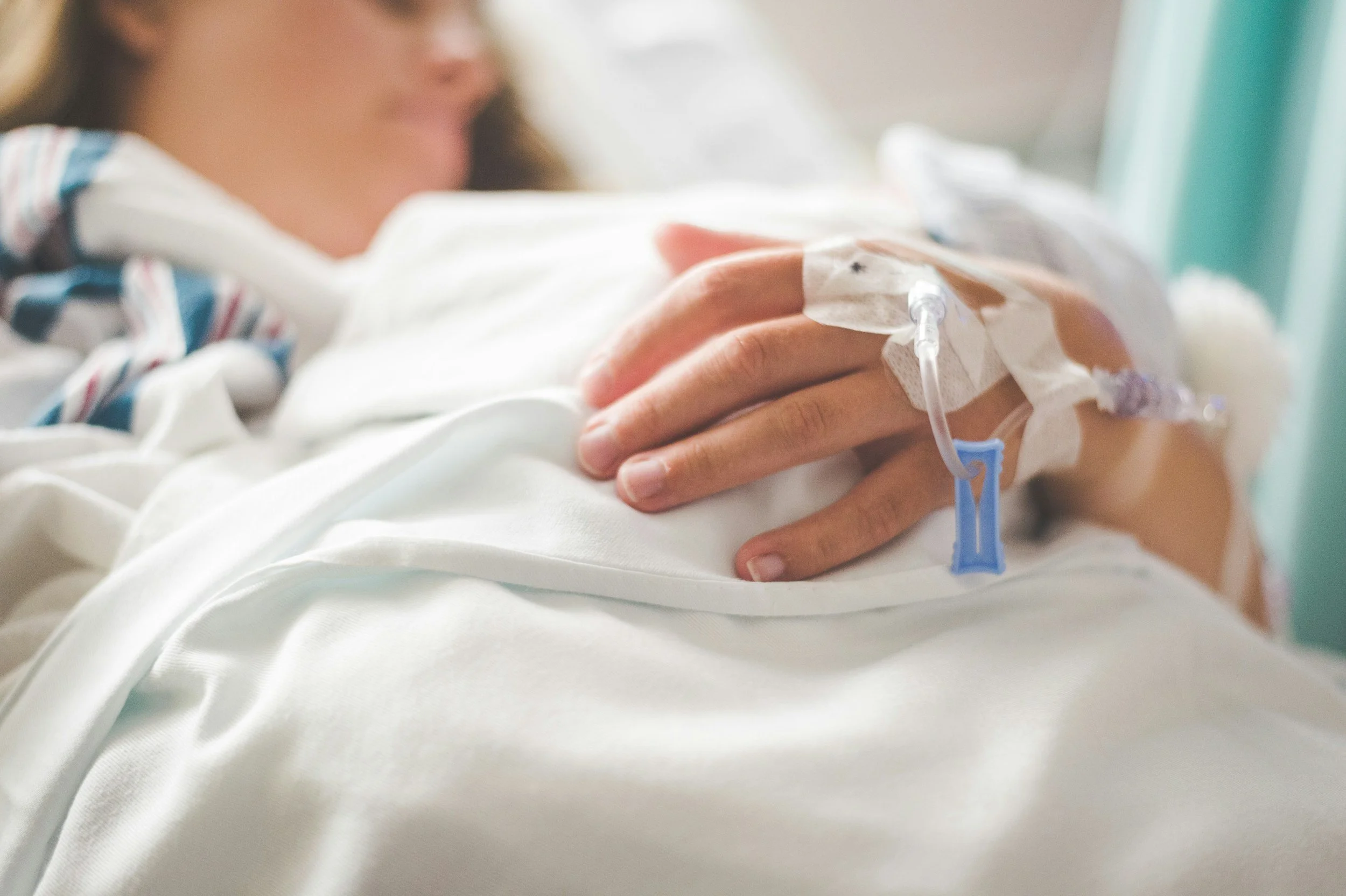
No parent forgets the moment everything changes.
For many families affected by congenital heart disease, that moment comes quietly — during a routine ultrasound, a follow-up appointment, or shortly after birth. A doctor pauses. A room grows still. Words like defect, surgery, and unknown suddenly define the future.
This is the beginning of a journey no family ever expects to take.
The Diagnosis
A CHD diagnosis often arrives before a baby ever takes their first breath.
Some parents learn at 20 weeks pregnant that their child’s heart did not form correctly. Others discover it hours or days after birth when breathing becomes labored or skin turns blue. In both cases, the shock is profound.
Families are forced to absorb complex medical information at lightning speed:
Names of heart defects they’ve never heard before
Surgical plans measured in days, not months
Survival odds instead of baby names
Joy and fear coexist in the same breath.
The First Surgeries
For children with complex CHD, open-heart surgery is not a distant possibility — it is an expectation.
Many babies undergo their first surgery within days or weeks of life. Parents learn to navigate neonatal intensive care units, ventilators, feeding tubes, and monitors that beep relentlessly through the night.
Milestones look different:
First smiles happen through oxygen tubing
First months are measured in hospital stays
Bonding happens beside incubators and IV poles
Families learn strength they never knew they had.
Life at Home (and Back Again)
Eventually, many children go home — but the hospital is never far away.
Daily life includes medications, cardiology appointments, and constant vigilance. Parents become caregivers, advocates, and medical translators overnight.
And for many families, surgery is not a one-time event. Children with CHD may require:
Multiple open-heart surgeries
Cardiac catheterizations
Interventions throughout childhood and adulthood
The uncertainty is relentless. There is no finish line — only the next hurdle.
The Emotional Weight No One Sees
CHD affects more than just the heart.
Parents carry chronic fear beneath everyday routines. Siblings grow up understanding hospitals before playgrounds. Families learn to celebrate progress others might take for granted.
There is gratitude — for doctors, nurses, and survival.
But there is also exhaustion, grief, and the quiet question that lingers late at night:
Will this ever get easier?
Why Families Hold Onto Hope
Despite everything, CHD families are hopeful — not because the journey is easy, but because love demands it.
Hope lives in research labs.
Hope lives in new ideas about regenerative medicine.
Hope lives in the belief that children born with broken hearts deserve more than lifelong repair.
At Building the Cure, we exist for these families — and for the future they dream of.
A future where a diagnosis doesn’t mean decades of surgeries.
A future where hearts can be healed, not just managed.
A future where parents hear the words they’ve been waiting for:
“We can cure this.”